
Exploring 3D Landscape Design for Your Home

Creating a beautiful outdoor space can significantly enhance the aesthetic appeal and functionality of your home. With advancements in technology, 3D landscape design has emerged as a powerful tool for homeowners and designers alike. This innovative approach allows you to visualize your outdoor space in a way that traditional methods simply cannot. In this blog post, we will explore the benefits of 3D landscape design, the process involved, and how you can implement it in your own home.

Understanding 3D Landscape Design
3D landscape design involves creating a three-dimensional representation of your outdoor space. This technology allows you to see how different elements—such as plants, hardscapes, and structures—will look together before any physical work begins.
Benefits of 3D Landscape Design
Enhanced Visualization
With 3D models, you can get a realistic view of your landscape. This helps in understanding how different elements will interact with each other and the overall space.
Improved Planning
3D design allows for better planning and organization. You can experiment with various layouts, materials, and plants without the need for physical alterations.
Cost-Effective
By visualizing your design beforehand, you can avoid costly mistakes. This means fewer changes during the construction phase, saving both time and money.
Informed Decision-Making
Seeing a 3D representation of your landscape helps you make informed decisions about colors, textures, and plant choices.
Easier Communication
If you are working with a landscape designer, 3D models can facilitate better communication. You can easily convey your ideas and preferences, ensuring that the final design aligns with your vision.
The 3D Landscape Design Process
Creating a 3D landscape design involves several steps. Here’s a breakdown of the process:
Step 1: Initial Consultation
The first step is to meet with a landscape designer or use design software. Discuss your ideas, preferences, and budget. This is the time to share any specific features you want, such as a patio, water feature, or garden beds.
Step 2: Site Analysis
Next, conduct a thorough analysis of your site. This includes measuring the area, noting existing plants, and assessing sunlight and drainage. Understanding these factors is crucial for creating a successful design.
Step 3: Concept Development
Using the information gathered, the designer will create initial concepts. This may involve sketches or basic layouts to give you an idea of how the space could be arranged.
Step 4: 3D Modeling
Once the concept is approved, the designer will create a detailed 3D model. This model will include all elements of the landscape, such as plants, pathways, and structures. You will be able to view the design from different angles and perspectives.
Step 5: Revisions
After reviewing the 3D model, you may want to make changes. This is the perfect time to adjust elements, colors, or layouts based on your preferences.
Step 6: Final Design
Once all revisions are made, the final design will be completed. This will include detailed plans for installation, including plant lists and materials needed.
Implementing 3D Landscape Design in Your Home
Now that you understand the process, here are some practical tips for implementing 3D landscape design in your own home:
Choose the Right Software or Designer
If you plan to do it yourself, select user-friendly 3D landscape design software. Popular options include SketchUp, Garden Planner, and Realtime Landscaping. If you prefer professional help, research local landscape designers who specialize in 3D design.
Gather Inspiration
Before starting your design, gather inspiration from various sources. Look at magazines, websites, and social media platforms to find styles and elements that resonate with you. Create a mood board to visualize your ideas.
Consider Your Lifestyle
When designing your landscape, think about how you will use the space. Do you want an area for entertaining, a play space for children, or a tranquil garden for relaxation? Tailor your design to fit your lifestyle.
Focus on Plant Selection
Choose plants that thrive in your climate and soil conditions. Consider the maintenance level you are willing to commit to. Incorporate a mix of perennials, annuals, and shrubs for year-round interest.
Plan for Hardscaping
Don’t forget about hardscaping elements like patios, walkways, and retaining walls. These features can enhance the functionality of your space and add visual interest.
Incorporate Lighting
Outdoor lighting can transform your landscape at night. Plan for lighting that highlights key features and provides safety along pathways.
Review and Adjust
Once your landscape is installed, take time to review how it functions. Be open to making adjustments as plants grow and your needs change.
Real-Life Examples of 3D Landscape Design
To illustrate the effectiveness of 3D landscape design, let’s look at a few real-life examples:
Example 1: Urban Rooftop Garden
A homeowner in a bustling city wanted to create a serene rooftop garden. Using 3D design, they visualized a space with lush greenery, comfortable seating, and a small water feature. The final design included a mix of potted plants and a trellis for climbing vines, providing a peaceful retreat amidst the urban landscape.
Example 2: Family-Friendly Backyard
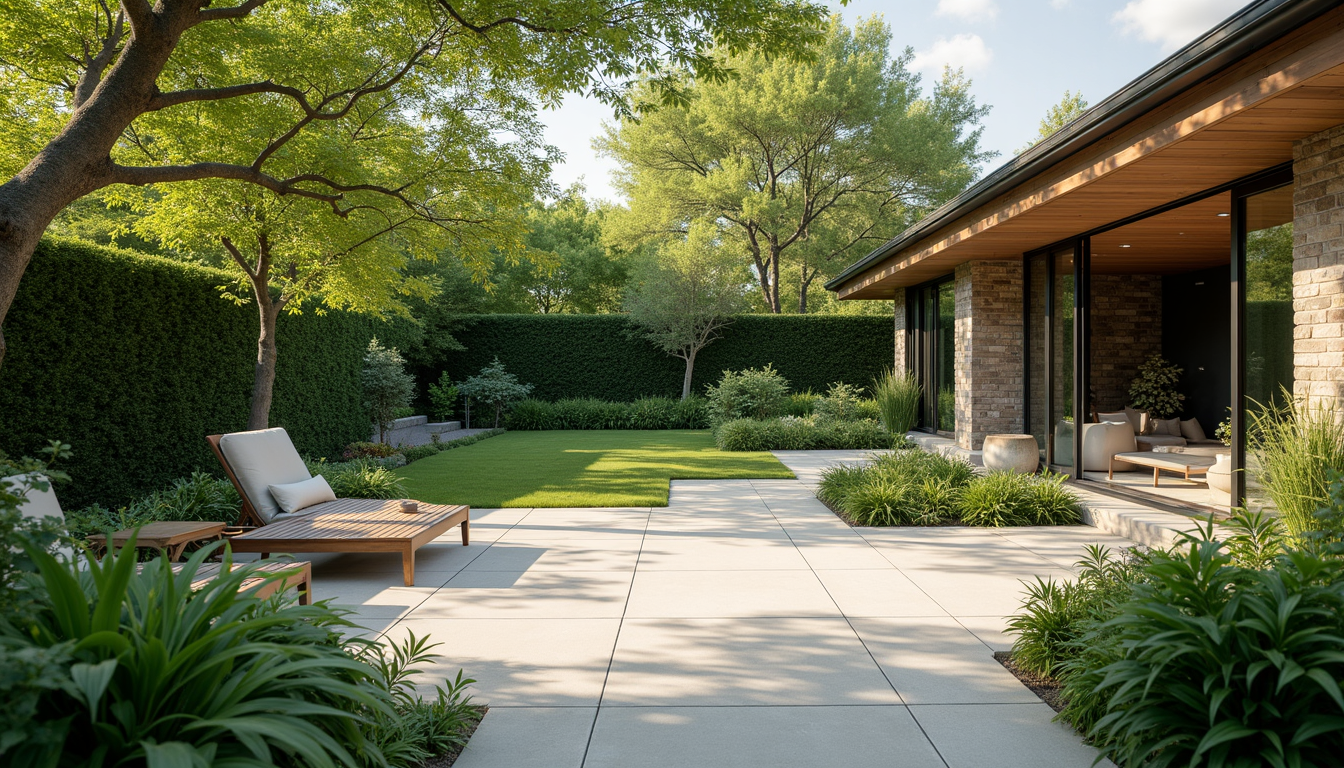
A family with young children desired a backyard that was both functional and fun. The 3D design process allowed them to experiment with different layouts for a play area, garden, and outdoor dining space. The final design featured a safe play zone with soft grass, a vegetable garden, and a patio for family gatherings.
Example 3: Sustainable Landscape
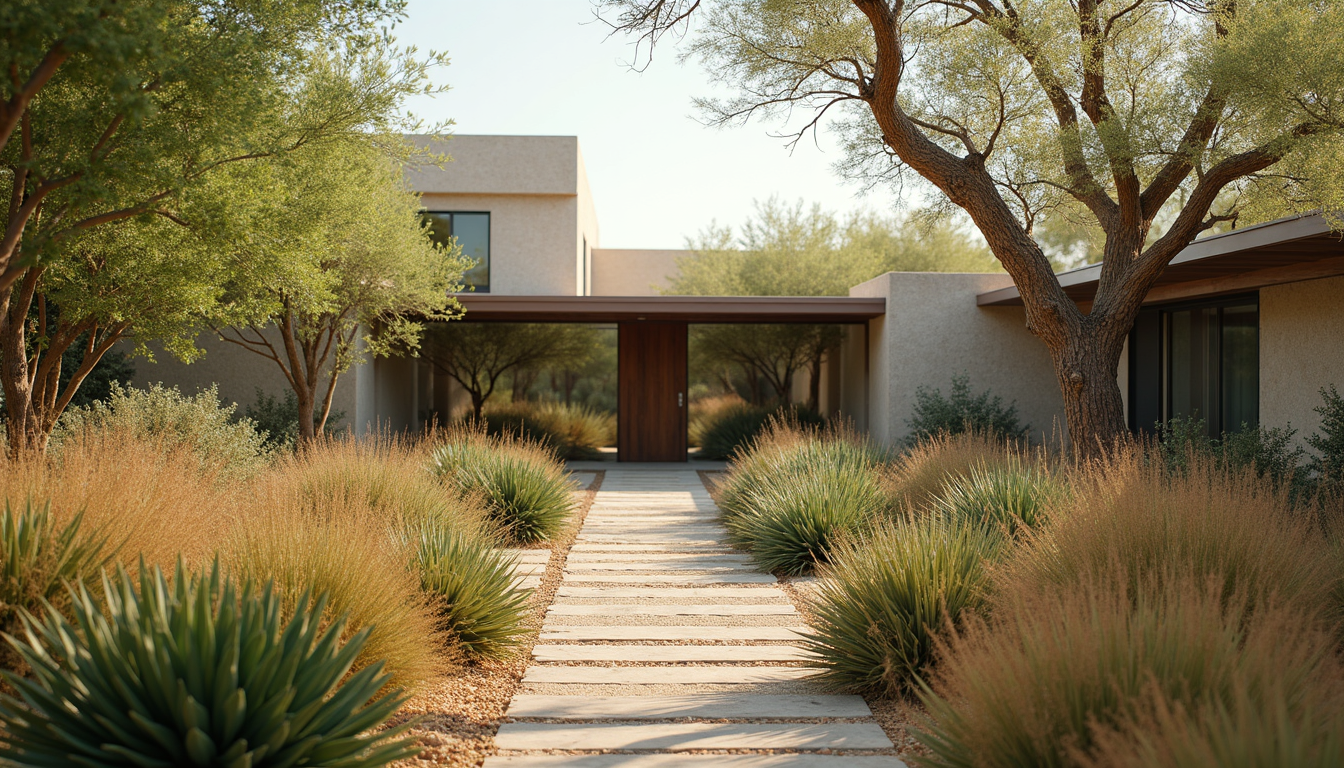
A couple focused on sustainability wanted to create a landscape that minimized water usage. Through 3D design, they explored xeriscaping options, incorporating drought-resistant plants and efficient irrigation systems. The final design not only looked beautiful but also aligned with their environmental values.
Conclusion
3D landscape design is a powerful tool that can transform your outdoor space into a beautiful and functional area. By enhancing visualization, improving planning, and facilitating informed decision-making, this innovative approach allows homeowners to create their dream landscapes with confidence. Whether you choose to work with a professional or take on the project yourself, the benefits of 3D design are undeniable.
As you embark on your landscape journey, remember to gather inspiration, consider your lifestyle, and be open to adjustments. With the right planning and creativity, your outdoor space can become a true reflection of your personality and lifestyle. Start exploring 3D landscape design today and watch your vision come to life!
Comments